Warning: This post contains spoilers for the Cape Fear finale.
Dusk is easing into dark on the Cape Fear River when Max Cady (Javier Bardem) steps out of his car near Bluff’s Point. Aboard the houseboat ahead, his half-sister Crystal Cady (Juliette Lewis) sees him coming, and dread crosses her face before she can even speak. Their father, Robert “Bob” Cady (Ron Perlman), and a young man named Luke (Max Mattern) are still arguing inside when Crystal warns them that Max has arrived. Max knocks on the door, a strange formality for a man about to burn the boat down to the waterline.
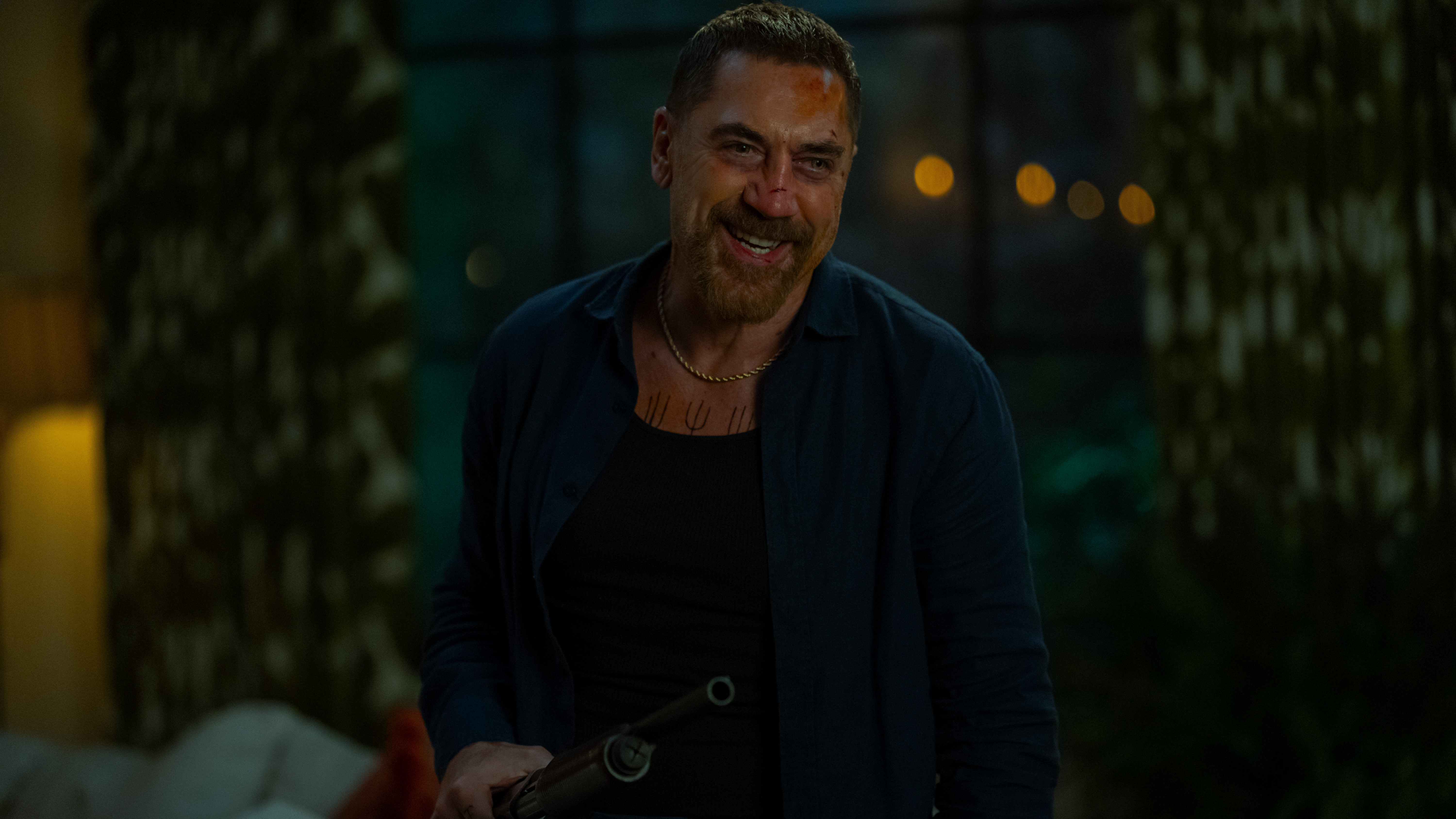
This scene arrives at the climax of Nick Antosca’s Cape Fear adaptation, which sees Max walking free after 17 years in prison for allegedly murdering his wife Melissa. Newly exonerated, he's treated in some corners as a folk hero. What Max actually wants is for Anna Bowden (Amy Adams), the public defender who represented him at that original trial, to answer for choices that shaped his fate more than she ever admitted. Across the 10-episode season, Max stalked the Bowden family—Anna's husband, Tom (Patrick Wilson), and their teenagers, Zack (Joe Anders) and Natalie (Lily Collias)—and shattered their trust in one another, all while demanding to be seen as a man wronged by the world. But every step toward revenge transformed him into the very threat he insists he is not. The finale’s real tragedy is that Max, in his own warped pursuit of justice, destroys everyone around him before being forced to see his entire crusade differently. By then, it’s too late for redemption.
Antosca shaped the season around sustained pressure, as a family’s small cracks split open under the weight of a man determined to make them suffer the way he once did. “This show is an experiment in dread and pressure on a family,” Antosca says. “I wanted to see the family come together to fight in a primal way for their survival.” The finale delivers on that promise, but it lets Max nearly destroy everyone else first.
Max’s family meets a violent end
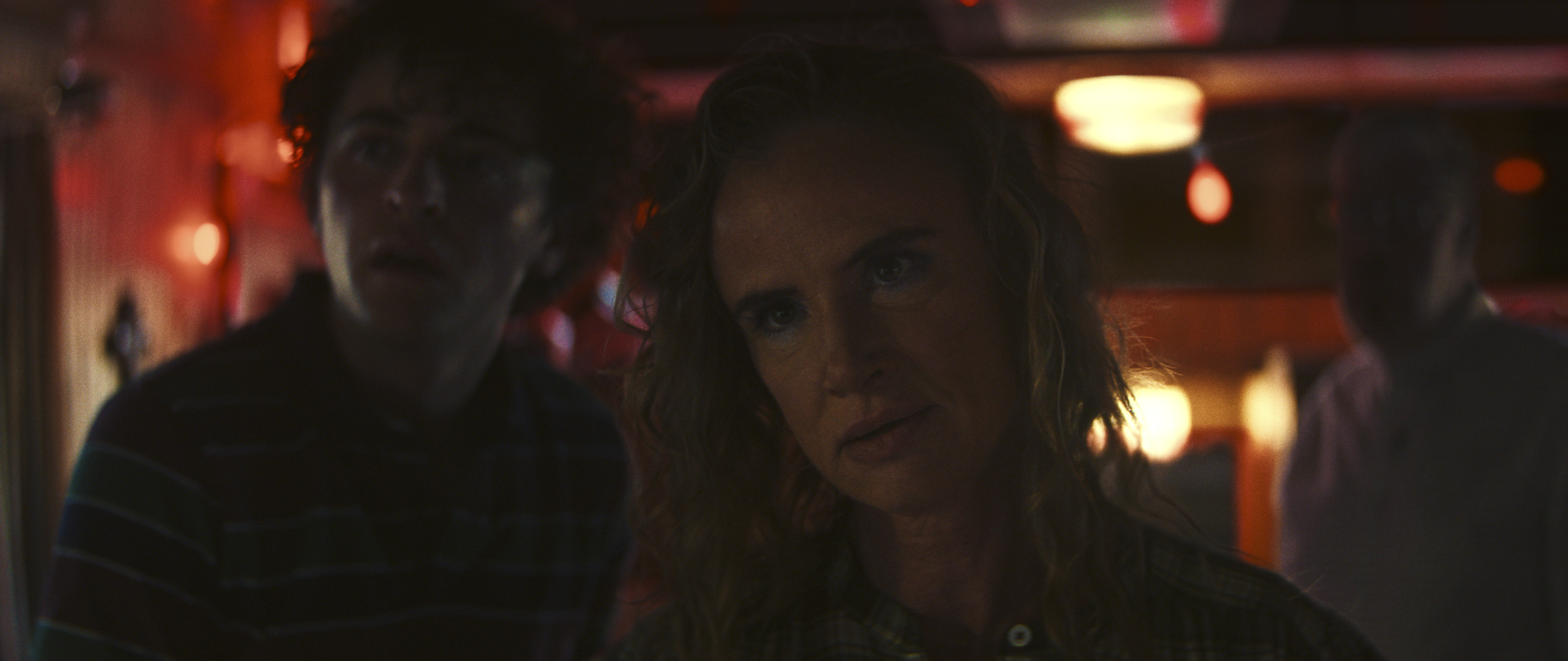
“Where is she?” Max asks Crystal on the houseboat, referring to Anna. Crystal tells him Anna escaped, jumping into the river hours earlier. Max’s gaze drifts toward the water, and his face closes like a fist. When Luke tells him, meekly, not to touch Crystal, Max only wants to know who the young man is. The audience doesn’t know yet, either.
Crystal, the child their father favored while Max lived in a cage, offers a fragile truce, remembering how she also used to trail behind him along the river: “I’ll forgive you if you forgive me.” Max shoots her without hesitation, then shoots Luke when he lunges to intervene. “When you die, don't forget this face,” Max tells her. “Don't forget the face of the little boy you tormented.”
When Bob calls him a devil for shooting his own blood, Max doesn't flinch. “If I’m the devil, what are you?” he asks. He pistol-whips his father, traps Luke and Crystal below deck, and douses the boat in gasoline, saving the last of it for Bob, now in a cage. Crouching beside him, Max speaks in Spanish, the language of the Spanish mother who raised him until her suicide when he was 13, and the one his American father then caged him for using: the equivalent of “bad dog.” He strikes a flame, cuts the mooring line, and disappears into the dark as the boat catches fire.
Lewis’s casting carries its own echo: in Martin Scorsese’s 1991 film version, she played the Bowden daughter Cady preyed on. Here she’s a Cady, and Max kills her in the finale’s opening minutes. Bardem describes Max entering this hour “at the peak of his patience,” a man who spent years engineering this exact convergence. “Now it’s time to really create the situation and create the final step of his own goal of revenge,” he says. “That also includes fixing his family problems in a Max Cady way.”
Anna, meanwhile, has stumbled off the riverbank and flagged down a family to drive her back to her car. Tom is still sitting in Chatham County Jail on a murder charge Max framed him for.
Anna turns the tables on Max
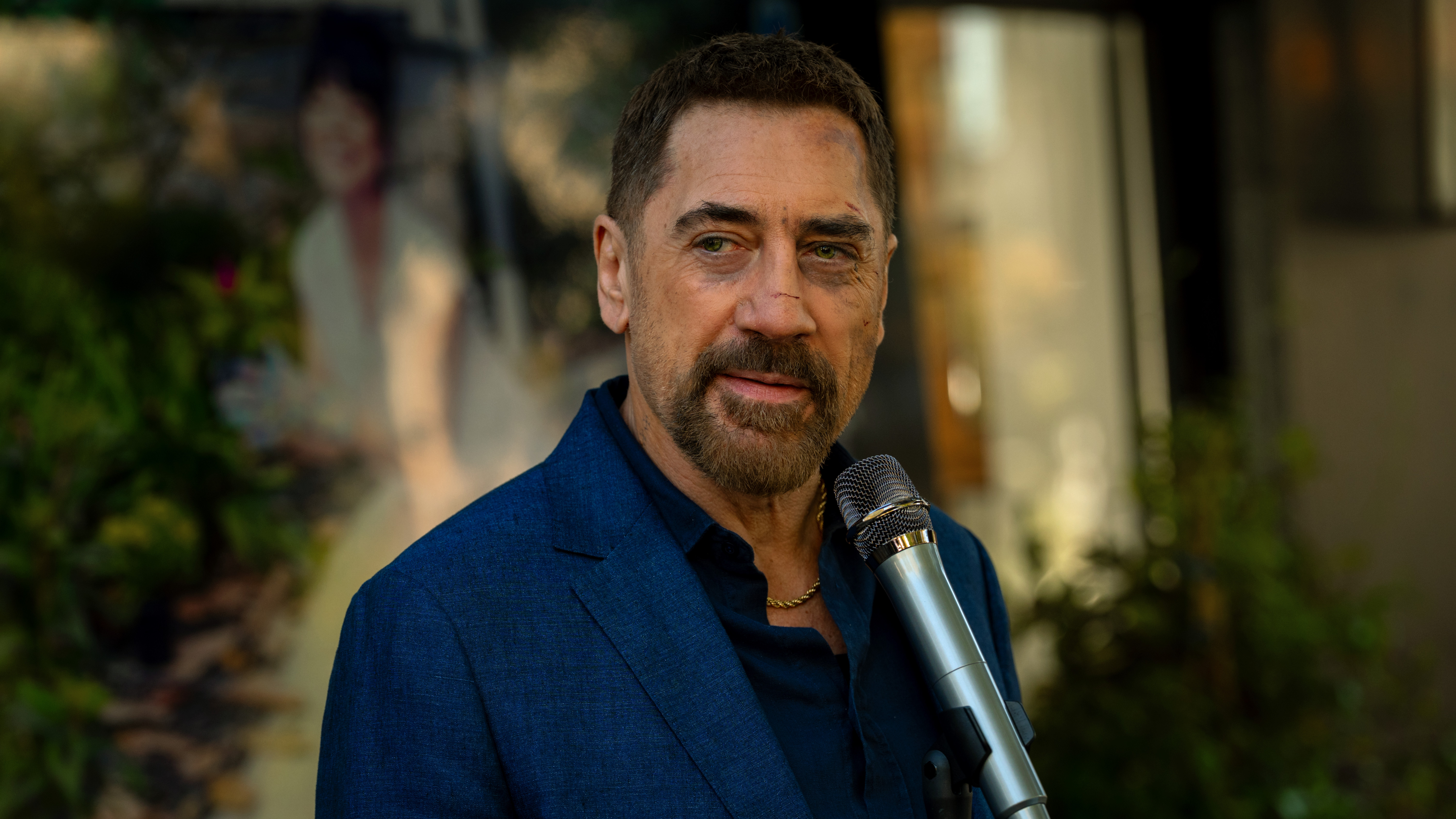
Max is opening a restaurant, Melissa & Adam, named for the wife he was convicted of murdering and the son she was carrying when she died. At the grand opening, with supporters wearing shirts that read “Max was a victim,” Anna walks to the front holding a paper bag that could, for one long beat, contain anything. It turns out to hold a Bluetooth speaker.
She plays an audio recording of Max’s daughter, Nevaeh Valentine (Malia Pyles), detailing his instructions: break into the Bowden home, spike the family’s tea, seduce Zack, push him to bite off his own toe, and kill Natalie. Anna’s colleague Noa Toussaint (CCH Pounder) follows with a video of Max coercing his mistress into suicide, shattering the narrative that bought his freedom.
“This is who he is!” Anna shouts to the crowd. Max wraps both hands around her throat before a guard tackles him. Cuffed and seeing visions of his dead wife and imagined son, he looks at Anna with pure hate as her expression mirrors his. The moment is a deliberate callback to the premiere, when Max seized a microphone at a fundraiser and humiliated Anna in public. “She had to have an opportunity to come and confront him in the same way at the end of the season, before we get to that primal fight in the house,” Antosca says.
Adams reads it as the turn where Anna finally matches Max on his terms. “She’s so physically and emotionally exhausted that I think she's acting without any barriers,” Adams says. If dying is what it takes to save her family and reveal who Max is, she adds, Anna is willing.
What Anna gains, Max loses. It is the first time, Bardem says, that Max sees her in complete control, and that public reversal triggers everything that follows. Once Max understands that “now everybody’s playing his game,” Bardem says, he moves to “close the deal.” From there, his psychological games give way to physical violence.
The calm before the storm
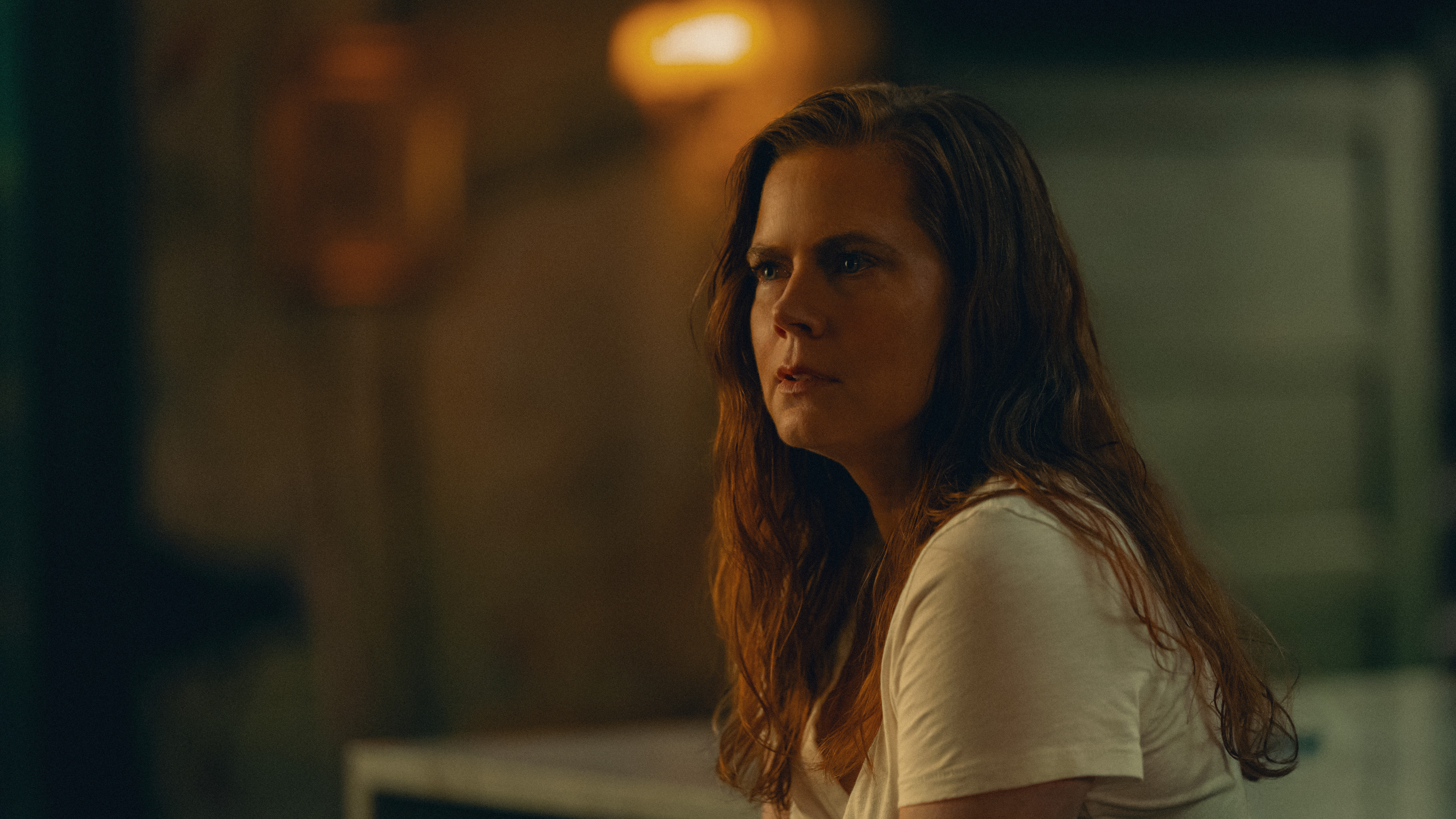
Tom enters this stretch of the finale about as low as a person can go. “For a guy that's in total control for most of his life, he's now completely out of sorts, to say the least. He's frayed,” Wilson says. He's released on bail after a night in jail spent beside a makeshift noose—an image Wilson says was designed to leave viewers wondering whether Tom had reached the point of taking his own life or someone else’s—then goes straight to Anna at the hospital. “Those are very important questions that we just wanted to propose, versus giving answers,” he says.
Natalie, meanwhile, finds Zack wandering back toward the house, unharmed, having simply walked out of rehab. At the hospital, Anna and Tom’s conversation turns quiet. She is glad he finally knows the truth, she tells him: that Max may have taken advantage of her during blackouts around his original trial 17 years earlier.
The conversation is also where Anna might finally let herself be fully loved, Adams suggests. “For her, it’s never being truly able to accept the love of her husband, the love of her children, the life that she's built, because she knows it was built on so many secrets and so much uncertainty,” Adams says. “Now, with everything being revealed, I think she can start from a place of more authenticity.”
Anna tells Tom she loves him. Neither answers the real question between them—what happens now?—before the hospital loudspeaker announces an evacuation. A hurricane is coming for Savannah, Georgia.
By the time the family reconvenes at the house, the room exhales. Tom sits Zack down and explains what really happened to his brother, who died by suicide when Tom was 14, not in the accident Tom had always described. “For a long time, I didn’t want to see how bad things were with you,” Tom tells his son. “It was easier for me to just tell myself you would get better. But sometimes things just suck, and we can't pretend otherwise—just get through it together.”
Then Detective Grayson Park (Paul Schneider) arrives with several officers and reports that Max assaulted a cop and escaped custody. As the Bowdens light candles for the storm, Anna gets a text from Noa: a photo of a homebirth certificate connecting Crystal to a boy named Luke, a detail that means little to her yet. Upstairs, done running, Tom pulls a shotgun from the safe. He wants Max gone for good.
The police search the property, find nothing, and leave. Then the camera pulls back to reveal Max standing on the Bowdens’ roof, unbothered by the storm breaking around him. Zack, packing a bag, hears him first. He opens his window just as lightning catches Max's grin, and Max drops through it onto him.
Max puts the Bowdens on trial
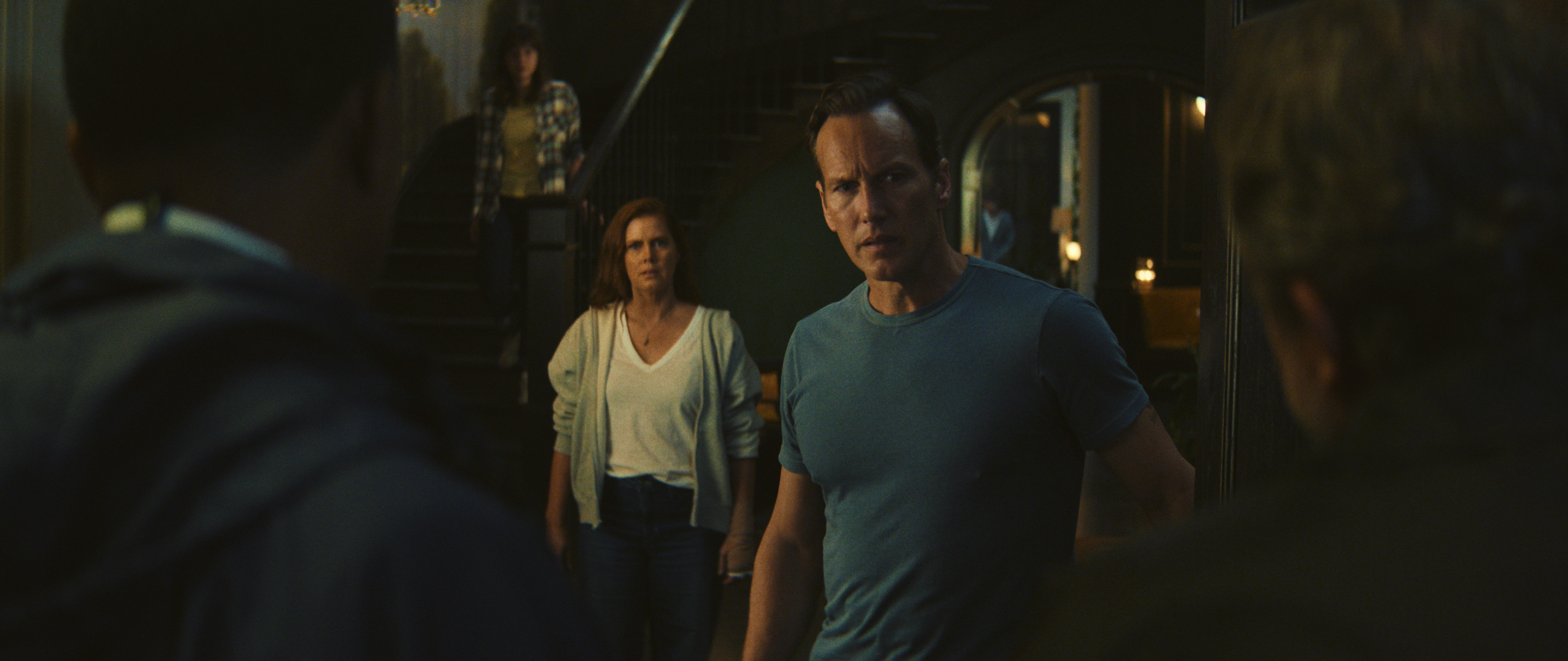
Anna finds Max holding a knife to her son’s throat on the staircase; Tom raises his shotgun. Max tells him to put it down, releasing Zack in exchange, then picks up the gun himself, herds all four Bowdens into the kitchen, and makes Natalie bind her parents' wrists with plastic restraints. He injects Zack with scopolamine, leaving him docile, and refuses to let the children go. He doesn’t want hostages so much as a jury.
What follows is the hour’s centerpiece: Max staging a trial of his own devising, as judge, prosecutor, and executioner at once. “Max has lost faith in all institutions: institutions of law, institutions of religion, the financial system,” Antosca says, drawing on guidance from a wrongful-conviction attorney the production consulted. “So Max becomes that institution for himself.” In its simplest form, Antosca says, the scene signals: “I was on trial. Now you’re on trial.”
Max asks Tom whether he owns a Bible—he means to swear his witnesses in—and strikes him across the face when Tom’s only answer is a baffled “What?” When Anna and Tom hesitate, Max turns to Zack, still glassy from the drug, and suggests the boy bite off his own tongue. Blood runs down Zack’s chin before his parents swear to tell the truth. Anna admits she secured Max a plea deal that took the death penalty off the table 17 years earlier. Max strikes Tom with the shotgun and keeps pushing.
The real confession arrives in pieces. Anna admits she learned through a leak that the jury at Max’s trial was deadlocked, and that fear—not conscience—decided what she did next. She could have used that leverage to secure Max a lighter sentence. Instead, she let the jury put him away for good.
Max smiles, imagining the life he might have had outside prison. “Did you hear that, jury?” he asks Natalie and Zack. “She betrayed her own client.” Then Anna admits the fear underneath the betrayal: Natalie might have been Max’s daughter, and Anna could not bear the thought of her knowing that her father was a monster.
Power flickers as the storm worsens. A window shatters. The lights die and come back. Max raises his arms, a half-lit prophet. “I have carried you in my skin, so that this day would come,” he declares. “Justice. Fire. Thunder and lightning. Today’s the day that you will be judged.”
Max’s restraint finally disappears here. “We haven't seen him like this in the whole show, because he's always been under control,” Bardem says. Now, he adds, Max becomes the “personification of his wildest impulses,” transforming into this “theatrical figure of revenge, this real evil avenger.”
Wilson plays the scene from the opposite instinct, a lawyer discovering the law has nothing left to offer him. “By that point, I’m not thinking about the law,” Wilson says. “I’m thinking about how to get out, how to save my family, and probably how to kill this guy.” Getting there meant stripping Tom’s composure away entirely, an approach Wilson suspects comes from his years working in the horror genre. “You want to paint in primary colors. You want to see a guy that is completely together, and then the complete animal side of him,” he says. While Tom looks for a way to fight, Anna looks for a way through. Adams describes her as switching tactics in what she calls “deep survival,” thinking about her family more than herself.
The trial brings Max to Tom, whom he accuses of sleeping with Anna during the proceedings and building a “life of privilege” out of Max’s ruin. “I’ll say whatever words you want to hear, but we did not sleep together during your trial,” Tom answers, looking toward Anna. “I was falling in love with her, but nothing happened.”
Max staggers and envisions his dead wife and imagined son again before pulling himself back to his closing argument. He asks Natalie for a verdict. She curses at him and sides with her father. Max looks up, as if awaiting a ruling from somewhere higher, then delivers it himself: guilty, with a capital sentence to be carried out immediately.
The truth about Max’s son is revealed
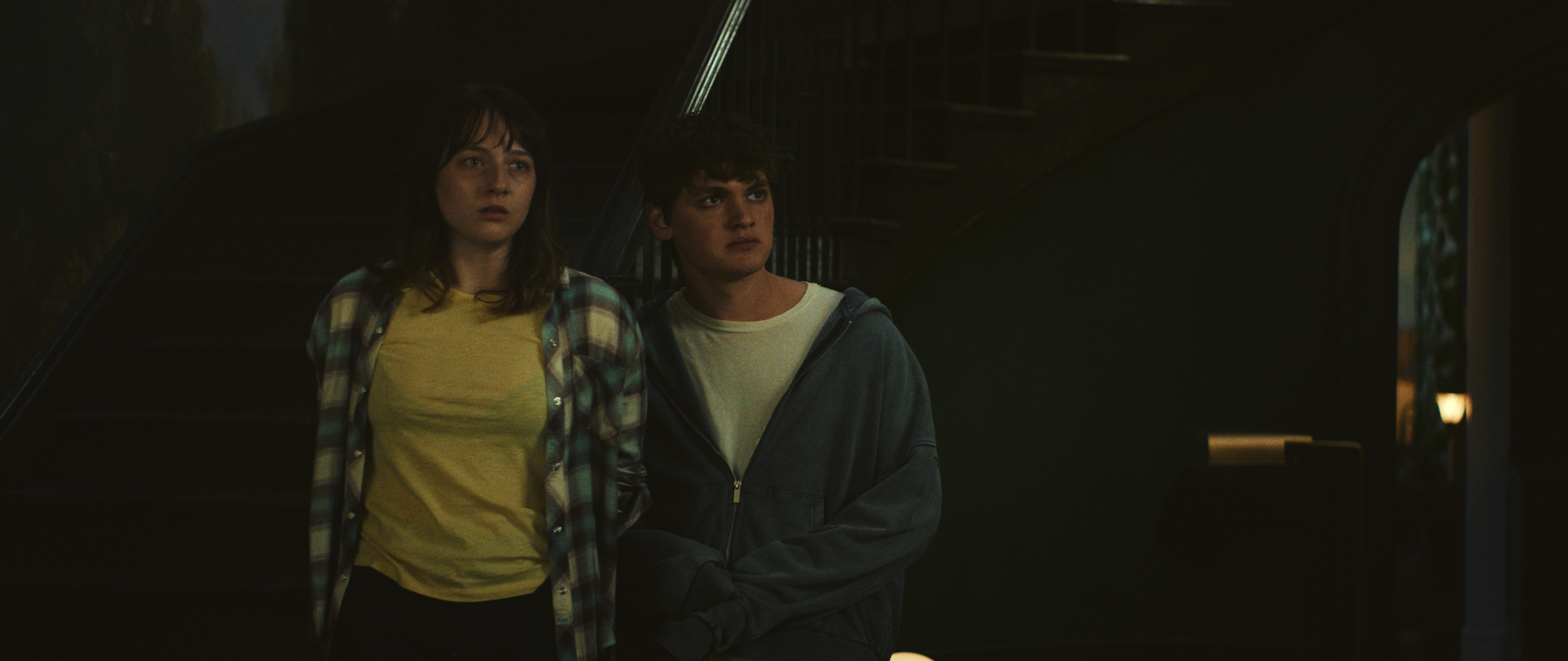
He levels the shotgun at Natalie. That’s when Anna tells him the truth that breaks him: his son didn’t die with Melissa. He was Luke, the young man Max shot on the houseboat without knowing who he was.
Anna has Max pull up the homebirth certificate Noa sent, then connects it to the scar visible in an old photograph of the baby, the same scar she saw on Luke's side. “Crystal killed Melissa, and she ripped him out of her. Your sister stole your baby, Max,” Anna tells him. “He was alive all this time, until you killed him.”
Max shakes his head, watching the story that drove his entire revenge plot come apart. He sinks to his knees, his hands covering his face. Antosca says the moment is a turning point for Max. “It changes everything, because he can tell himself that he is righteous and everything he's doing is righteous,” Antosca says. “The revelation that Luke was his son, that his son was alive this whole time, makes it feel like his whole campaign of vengeance was misguided.”
For Bardem, the revelation collapses everything that made Max who he was, and it lands where he is least defended. “It was the moment of deep vulnerability that has to hit him in the weakest side of him, as the father who has committed the worst crime of them all,” he says. What replaces the man who ran the season is something feral: Bardem describes “an out of control, dying beast, wounded animal, that we have not seen before.” The collapse also costs Max the only weapon he ever had. His strength was always his ability “to play, to manipulate, to divert the attention.” Reduced to survival, he can't reach for it, and the pain is so total, Bardem says, that Max no longer knows how to react.
Adams, watching from Anna’s side of the revelation, says Anna is piecing it together at nearly the same moment Max is. Anna is trying to reach him, Adams says, to “apply some amount of logic” and “bring him back into a reasonable place.” “I think she recognizes the tragedy of it as well,” she says.
Natalie has been using a hidden lighter to burn through her restraints. Now free, she runs. Max corners her behind the sofa, and she fires a nail gun repeatedly, driving one nail into his skull. It barely slows him. He pulls it out and gets back up. Natalie reaches for a knife in the kitchen before Max overpowers her.
Zack, still hazy from the drug, sees himself holding a flapping fish, with Max fishing beside him—the trip Max once promised while feeding the boy the lie that he was his real father. Then Max's face gives way to Tom's: the counterfeit father yielding to the true one. The vision, conjured by the very drug Max used to make him harmless, snaps Zack back just in time to lunge at Max, knocking him off balance and saving Natalie from the shot meant for her.
Tom and Max fight. Anna drives a kitchen knife into Max's back. He staggers outside, and Tom knocks him into the pool, which glows an unnatural aquamarine beneath the storm. “It's a kill-or-be-killed sort of moment,” Adams says.
In the churning pool, Max grapples with Tom, who locks him in a stranglehold. Anna leaps in, and together they hold him under until his limbs finally go limp.
Moving the climax from the open waters of the Cape Fear River to the family's backyard pool marks a decisive break from previous film adaptations. “We felt for this version of the story that it should end in their home,” Antosca explains. “Bring the storm to them.”
The scene also pays off a detail from Episode 7, when Max told Natalie he’d been baptized in the Cape Fear River as a boy but never learned to swim. “[The pool] is also the place where he’s more vulnerable,” Bardem says.
The pool fight took days to shoot, with rain pouring down and cameras rolling underwater. Staging a brawl in water demands precision from everyone in it. “You’ve got to be so in tune with your dance partner,” Wilson says. It was also a release after months of playing Tom measured. “We all had been so measured for so long … it was nice to let it rip,” he says. For all the scale, the sequence plays as a test the Bowdens narrowly pass. “There’s a killer inside of everybody,” Wilson says, but killing Max at that point would be vengeance, not self-defense. “Tom, at his core, is not someone that would kill out of revenge.”
It is Anna who calls it off. “Let him die in a cage,” she tells Tom. The words land with the weight of everything before them: the dog cage Max was confined to as a boy and the metal cage in which his father died only hours earlier. Tom pulls Max, still breathing, to the edge of the pool.
Adams frames the choice not to kill Max as Anna snapping back into herself the instant she sees her children watching. “She has to come back to some sense of reason,” Adams says. “She has to return to her moral code. … If they kill him, Max wins.”
The threat has passed, but things will never be the same
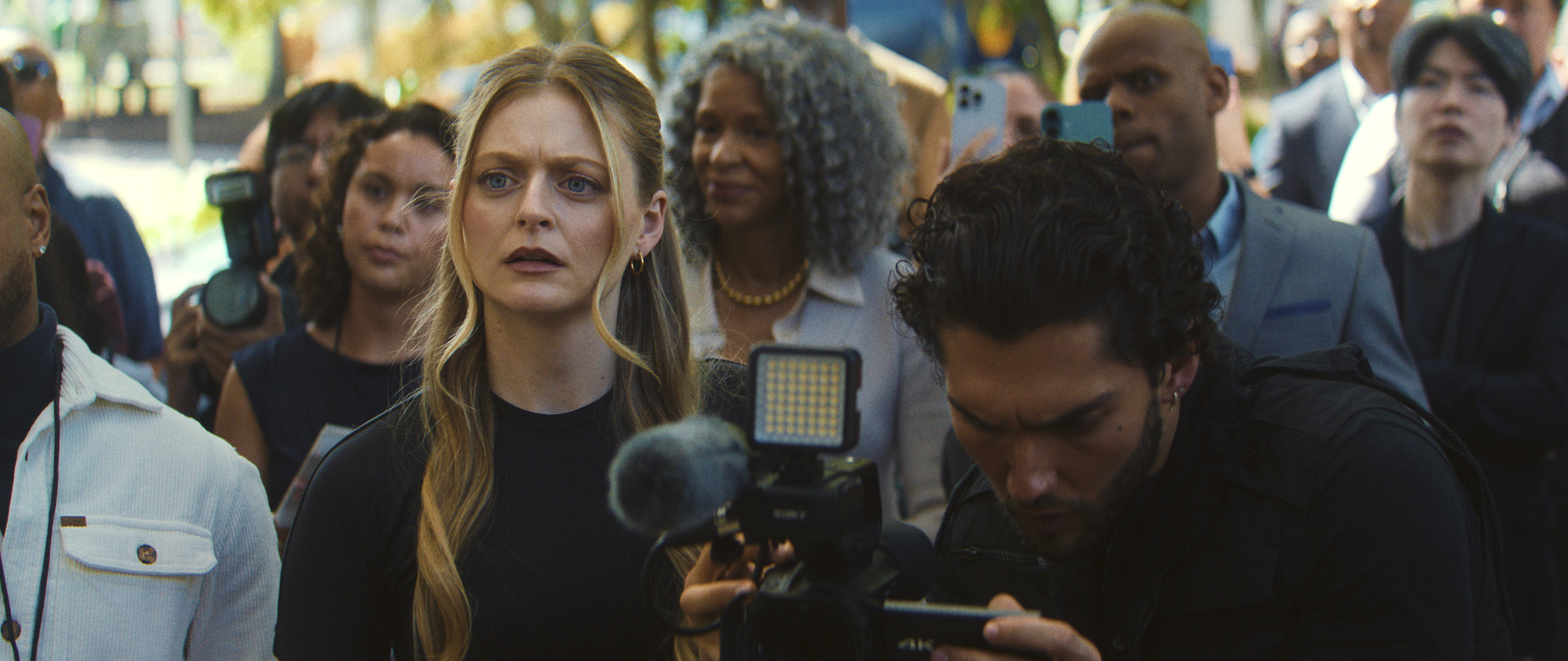
Once the storm passes, the episode finds Natalie in her room watching a video of Tabitha (Anna Baryshnikov), the journalist who spent the season chasing Max's story and fell in love with him. Natalie closes the laptop. In her hand is an unopened envelope from a DNA testing company, containing the answer to whether Max was ever really her father. Instead of opening it, she goes downstairs, where Anna is calling everyone to eat.
Downstairs, the scene echoes the premiere's opening barbecue: Tom grilling under the Savannah sun, Anna teasing him. They kiss. Zack finds a smile for his mother at the patio table; Tom glances over his shoulder at nothing before Natalie joins him at the grill. For one elongated moment, it looks almost like the family the show opened on.
Then the camera settles on Anna’s face and stays there long enough to watch her smile give out, a choice Adams says wasn’t necessarily written that way. “We discovered it in filming,” she says. “Things never go back to the way they were. Anna has changed, and I don't know for the better.” While the Bowdens still have each other, so much of Max’s darkness remains, Adams adds, and he’ll “never really go away.” Wilson, playing Tom’s own version of that unease a few beats earlier, needed only the smallest gesture to register it. “We needed a glimmer of fear or doubt in there,” he says.
That unease belongs to the whole family, not just the two of them, and it isn't so much about what they survived as what survival asked them to do: become, over the course of one long night, people capable of ending Max—before stopping just shy of doing so. Antosca always knew the finale would return to the Bowdens’ backyard. “I felt that this family would want to try and recreate their sense of safety and comfort, and they would never quite be able to,” he says.
As Anna glances behind her, the frame turns chromatic, echoing the show’s title sequence, while Neil Young with Crazy Horse's “Everybody Knows This Is Nowhere” rises over the cut to black. The lyrics long for a home that’s “cool and breezy,” a place to finally stop running and unwind. For the Bowdens, the irony is that they're already home; what they've lost is the ability to rest there. Cape Fear lets them win, but refuses them the relief triumph should bring.
Antosca wanted that lack of clean resolution to linger with viewers. “I hope that when you’re finished watching the show, you feel like you just went through a really intense nightmare,” he says. Here, they do. The finale, which opens with Max pausing to observe a small courtesy before committing an atrocity on Crystal’s houseboat, closes with the Bowdens reaching for ordinary family life after surviving an atrocity of their own. As Anna’s smile dissolves in the final moments, survival is cold comfort. Nothing that happened that summer washes off, and no amount of time on that sun-drenched Savannah patio will convince her otherwise.


